Panic disorder is diagnosed in people who experience spontaneous seemingly out-of-the-blue panic attacks and are very preoccupied with the fear of a recurring attack. Panic attacks occur unexpectedly, sometimes even when waking up from sleep. Panic disorder usually begins in adulthood (after age 20), but children can also have panic disorder and many children experience panic-like symptoms (“fearful spells”).
Many people don’t know that their disorder is real and highly responsive to treatment. Some are afraid or embarrassed to tell anyone, including their doctors and loved ones, about what they experience for fear of being considered a hypochondriac. Instead, they suffer in silence, distancing themselves from friends, family, and others who could be helpful or supportive. (ADAA)
- symptoms: (ADAA): A panic attack is the abrupt onset of intense fear or discomfort that reaches a peak within minutes and includes at least four of the following symptoms:
- Palpitations, pounding heart, or accelerated heart rate
- Sweating
- Trembling or shaking
- Sensations of shortness of breath or smothering
- Feelings of choking
- Chest pain or discomfort
- Nausea or abdominal distress
- Feeling dizzy, unsteady, light-headed, or faint
- Chills or heat sensations
- Paresthesia (numbness or tingling sensations)
- Derealization (feelings of unreality) or depersonalization (being detached from oneself)
- Fear of losing control or “going crazy”
- Fear of dying
Some people experience what is referred to as limited-symptom panic attacks, which are similar to full-blown panic attacks but consist of fewer than four symptoms.
Although anxiety is often accompanied by physical symptoms, such as a racing heart or knots in your stomach, what differentiates a panic attack from other anxiety symptoms is the intensity and duration of the symptoms. Panic attacks typically reach their peak level of intensity in 10 minutes or less and then begin to subside. Due to the intensity of the symptoms and their tendency to mimic those of heart disease, thyroid problems, breathing disorders, and other illnesses, people with panic disorder often make many visits to emergency rooms or doctors’ offices, convinced they have a life-threatening issue.
Panic attacks can occur unexpectedly during a calm state or in an anxious state. Although panic attacks are a defining characteristic of panic disorder, it is not uncommon for individuals to experience panic attacks in the context of other psychological disorders. For example, someone with social anxiety disorder might have a panic attack before giving a talk at a conference and someone with obsessive-compulsive disorder might have a panic attack when prevented from engaging in a ritual or compulsion. (ADAA)
- Agoraphobia: (helpguide)Agoraphobia was traditionally thought to involve a fear of public places and open spaces. However, it is now believed that agoraphobia develops as a complication of panic attacks and panic disorder. Although it can develop at any point, agoraphobia usually appears within a year of your first recurrent panic attacks.If you’re agoraphobic, you’re afraid of having a panic attack in a situation where escape would be difficult or embarrassing. You may also be afraid of having a panic attack where you wouldn’t be able to get help. Because of these fears, you start avoiding more and more situations.For example, you may begin to avoid:
- Crowded places such as shopping malls or sports arenas.
- Cars, airplanes, subways, and other forms of travel.
- Social gatherings, restaurants, or other situations where it would be embarrassing to have a panic attack.
- Physical exercise in case it triggers panic.
- Certain food or drinks that could provoke panic, such as alcohol, caffeine, sugar, or specific medications.
- Going anywhere without the company of someone who makes you feel safe. In more severe cases, you might only feel safe at home.
- Causes: (helpguide)
Although the exact causes of panic attacks and panic disorder are unclear, the tendency to have panic attacks runs in families. There also appears to be a connection with major life transitions such as graduating from college and entering the workplace, getting married, or having a baby. Severe stress, such as the death of a loved one, divorce, or job loss can also trigger panic attacks.
Panic attacks can also be caused by medical conditions and other physical causes.
- self-help:
- Learn about panic and anxiety.
- Avoid smoking, alcohol, and caffeine: These can all provoke panic attacks in people who are susceptible.
- Learn how to control your breathing: Hyperventilation brings on many sensations that occur during a panic attack. Deep breathing, on the other hand, can relieve the symptoms of panic.
- Practice relaxation techniques: When practiced regularly, activities such as yoga, meditation, and progressive muscle relaxation strengthen the body’s relaxation response—the opposite of the stress response involved in anxiety and panic
- Don’t deal with it on your own: Symptoms of anxiety can become worse when you feel isolated, so reach out to people who care about you on a regular basis.
- Exercise regularly. Exercise is a natural anxiety reliever.
- Get enough restful sleep.
Mental disorder is not a personal failure.
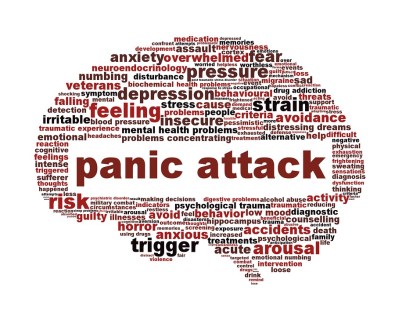
يتم تشخيص اضطراب الهلع عند الأشخاص الذين يعانون من نوبات الهلع التلقائية غير متوقعة ، وهم منشغلون جدًا بالخوف من نوبة متكررة. تحدث نوبات الهلع بشكل غير متوقع ، أحيانًا حتى عند الاستيقاظ من النوم. يبدأ اضطراب الهلع عادة في مرحلة البلوغ (بعد سن 20) ، ولكن يمكن أن يصاب الأطفال أيضًا باضطراب الهلع ويعاني العديد من الأطفال من أعراض تشبه الهلع (نوبات الخوف
كثير من الناس لا يعرفون أن اضطرابهم حقيقي وسريع الاستجابة للعلاج. يخشى البعض أو يشعرون بالحرج من إخبار أي شخص ، بما في ذلك أطبائهم وأحبائهم ، عما يتعرضون له خوفًا من اعتباره مصابًا بالتوهم المرضي. وبدلاً من ذلك ، فإنهم يعانون في صمت ويبتعدون عن الأصدقاء والعائلة وغيرهم ممن يمكن أن يكونوا مساعدين أو داعمين
الأعراض: نوبة الهلع هي البداية المفاجئة للخوف أو الانزعاج الشديد الذي يصل إلى الذروة في غضون دقائق ويشمل على الأقل أربعة من الأعراض التالية:
الخفقان أو تسارع معدل ضربات القلب
التعرق
الارتجاف أو الارتعاش
ضيق التنفس أو الاختناق
مشاعر الاختناق
ألم في الصدر أو عدم الراحة
الغثيان أو الضيق البطني
الشعور بالدوار أو عدم الاستقرار أو الإغماء
قشعريرة أو احساس بالحرارة
الإحساس بالخدر أو الإحساس بالوخز
الابتعاد عن الواقِع أو تبدد الشخصية
الخوف من فقدان السيطرة أو “الجنون”
الخوف من الموت
يواجه بعض الأشخاص ما يشار إليه على أنه نوبات ذعر محدودة الأعراض ، والتي تشبه نوبات الهلع الشاملة ولكنها تتكون من أقل من أربعة أعراض
على الرغم من أن القلق غالباً ما يكون مصحوبًا بأعراض جسدية ، مثل دقات قلب متسارعة أو عقدة في معدتك ، فإن ما يميز نوبة الهلع عن أعراض القلق الأخرى هو شدة الأعراض ومدتها. تصل نوبات الهلع عادةً إلى أعلى مستويات شدتها خلال 10 دقائق أو أقل ثم تبدأ في التراجع. نظرًا لشدة الأعراض وميلها إلى محاكاة أعراض أمراض القلب والغدة الدرقية واضطرابات التنفس وأمراض أخرى ، يقوم الأشخاص الذين يعانون من اضطرابات الهلع بالعديد من الزيارات إلى غرف الطوارئ أو مكاتب الأطباء ، مقتنعين بأن لديهم خطرًا يهدد حياتهم
يمكن أن تحدث نوبات الهلع بشكل غير متوقع أثناء حالة الهدوء أو في حالة قلق. على الرغم من أن نوبات الهلع هي السمة المميزة لاضطراب الهلع ، فإنه ليس من غير المألوف أن يتعرض الأفراد لنوبات الهلع في سياق الاضطرابات النفسية الأخرى. على سبيل المثال ، قد يصاب شخص مصاب باضطراب القلق الاجتماعي بنوبة ذعر قبل إلقاء كلمة في مؤتمر ، وقد يصاب شخص مصاب باضطراب الوسواس القهري بنوبة ذعر عندما يُمنع من الانخراط في طقوس أو إكراه
رهاب الخلاء ينطوي على الخوف من الأماكن العامة والأماكن المفتوحة. ومع ذلك ، يعتقد الآن أن الخوف من الأماكن المغلقة يتطور باعتباره من مضاعفات نوبات الهلع واضطراب الهلع. على الرغم من أنه يمكن أن يتطور في أي وقت ، إلا أن الخوف من الأماكن المرضية يظهر عادة خلال عام من أول هجمات الذعر المتكررة.
في هذه الحالة أنت خائف من التعرض لنوبة الذعر في موقف يكون فيه الهروب صعبًا أو محرجًا. قد تخاف أيضًا من نوبة الهلع حيث لن تتمكن من الحصول على المساعدة. بسبب هذه المخاوف ، تبدأ في تجنب المزيد والمزيد من المواقف
على سبيل المثال ، قد تبدأ في تجنب
الأماكن المزدحمة مثل مراكز التسوق أو الساحات الرياضية.
السيارات والطائرات ومترو الانفاق وغيرها من أشكال السفر.
التجمعات الاجتماعية ، والمطاعم ، أو غيرها من المواقف التي قد يكون من المحرج أن يكون لديك نوبة فزع.
تمرين بدني .
بعض الأطعمة أو المشروبات التي يمكن أن تثير الذعر ، مثل الكحول أو الكافيين أو السكر أو أدوية معينة.
الذهاب إلى أي مكان بدون وجود شخص ما يجعلك تشعر بالأمان. في الحالات الأكثر شدة ، قد تشعر بالأمان فقط في المنزل.
الأسباب
على الرغم من أن الأسباب الدقيقة لهجمات الذعر واضطراب الهلع غير واضحة ، إلا أن الميل إلى الإصابة بنوبات الهلع قد يكون وراثي. يبدو أيضًا أن هناك علاقة مع التحولات الحياتية الرئيسية مثل التخرج من الكلية والدخول إلى مكان العمل أو الزواج أو الإنجاب. قد يؤدي التوتر الشديد ، مثل وفاة أحد أفراد أسرته أو الطلاق أو فقدان الوظيفة ، إلى نوبات من الذعر
نوبات الهلع يمكن أن يكون سببها أيضًا حالات طبية وأسباب بدنية أخرى
المساعدة الذاتية
تعرف على الذعر والقلق.
تجنب التدخين والكحول والكافيين: كل هذا يمكن أن يثير نوبات الفزع لدى الأشخاص المعرضين للإصابة.
تعلم كيف تتحكم في تنفسك: فرط التنفس يجلب العديد من الأحاسيس التي تحدث أثناء نوبة الهلع. التنفس العميق ، من ناحية أخرى ، يمكن أن يخفف من أعراض الهلع
ممارسة أساليب الاسترخاء: عندما تمارس التمارين بانتظام ، فإن الأنشطة مثل اليوغا والتأمل والاسترخاء التدريجي للعضلات تعزز استجابة الاسترخاء في الجسم – على عكس استجابة الإجهاد المرتبطة بالقلق والذعر
لا تتعامل معها بمفردك: يمكن أن تصبح أعراض القلق أسوأ عندما تشعر بالعزلة ، لذا تواصل مع الأشخاص الذين يهتمون بك بشكل منتظم.
التمرن بانتظام. التمرين هو مسكن طبيعي للقلق
الحصول على قسط كاف من النوم المريح.
.الاضطراب النفسي ليس فشل شخصي
 MENTALLY